hello yo welcome to our Channel today dr. Brenda Garhwal is with us
hello Doctor hello yeah nowadays diabetes become a
major problem whities so like you've heard diabetes has become a major cause
for early illness and death in populations globe across worldwide and
the concern is that the prevalence continues to increase India itself
actually represents about 49 percent of the total diabetes population in this
world comparing each other yes and that number puts it as for the most recent
records at 7.2 crores so the concern has been that as these countries as people
continue to progress economically with increased availability of foods like
fast foods and people adopting sedentary lifestyles
coupled with of course a higher risk genetically say if your parents had
diabetes we all include this right and that all increases the risk for
developing type 2 diabetes which is the most common form of diabetes almost
about 90% of the total diabetes population that we see could you tell us
doctor what are the signs and symptoms of diabetes so oftentimes actually there
is a big delay in the diagnosis of diabetes and the reason being that a lot
of people almost about 40% of people may not have any science scientists so it's
usually during a routine general examination that they get they you know
get a blood test done for blood sugars okay
urine testing done for sugars and they are diagnosed with diabetes but in some
cases patients do complain of increased thirst yeah definitely more thirsty they
may complain of frequency a few a nation that they have to get up multiple times
during the night they'll face any problems while which hydration no not
really unless and until you know of course diabetes also increases the risk
for developing urinary tract infections so so some people may complain of pain
during mixture is rising and bottling sensation during maturation otherwise
they may just notice plainly an increased frequency of going to the
bathroom some people may also complain of weight
loss unexplained weight loss that they have not been really trying to lose
weight it will occur with everyone not with everybody like I said you know not
everybody is a book picture where you know they have all the signs and
symptoms but a lot of patients may present especially if they've been
actually who are suffering from this condition particular condition right so
especially if undiagnosed and their blood sugars have been really high then
they may present with weight loss because of all the loss of calories in
the urine okay some patients may actually present with visual blurring
that the interest occurring because diabetes we know of one of the major
concerns with uncontrolled diabetes is that it tends to affect major organs one
of them is eyes eyes so one of the potential complications of uncontrolled
diabetes is the development of cataracts glaucoma retinopathy so a lot of times
people may actually present with eye complaints and that leads to a diagnosis
of it as a signs and symptoms right so the patient essentially would come to
the clinic and complain that you know I'm noticing I don't see very clearly
when I'm driving I don't see the objects in front of me very clearly often Lee
people will come late about this right right so those are the most common
concerns complaints some people may just say that I just don't feel right I feel
more tired you know I'm generally feeling a little weaker tired and weak
right so those are very general symptoms but I think anybody ever anybody can
face this so if anybody lands at any say that right so we further question these
people you know whether this person appears to be at a higher risk for
diabetes then may you know then we may go ahead and suggest that you know what
I'd be a flow Mallards yes it would be appropriate to get tested for deities
who are the people who tested for this diabetes so that's a good question
because I guess since there are no major signs for seniors or warning signs that
will tell you that you know could I have diabetes it's important to identify a
risk factor they can get an idea right so in general
if we follow the American Diabetes Association older age so age more than
45 but in the in diabetes it depends on age too right we are talking about the
most common form of diabetes which is type 2 diabetes so older age is a risk
factor we see that in Indian subcontinent the
South Asian population patients actually present a decade earlier so these
patients may even be of younger than 45 years of ages what I'm trying to say
then you know if they have any of these risk factors like they are overweight
with a BMI of more than 23 kilograms per meter square or if they have one or both
of their parents diagnosed with diabetes or any other first-degree
with diabetes then their risk goes up by four to six percent of developing
diabetes patients who already have a history of high blood pressure or high
cholesterol levels women who may have had a history of diabetes during their
pregnancy which is called as gestational diabetes yes are also at a higher risk
of developing diabetes prevent this for the child for the means fetus no so
babies don't have diabetes huh so it's basically it's the same thing that these
babies who are born to mothers who develop diabetes during their pregnancy
are at a higher risk of developing diabetes when they reach their adulthood
okay so it is not an immediate phenomenon but just like we talked about
that patients who have their mom or dad yeah mothers so they're gonna get in a
certain e yes so it is you know how it ends right so
their risk goes up by four to six percent and can we prevent this so
that's an again a good question because ideally we see that the reason why
diabetes prevalence is increasing is because of a change in our lifestyle
yeah so we can't change our genes but we can definitely change the environment
around us so adopting a healthier lifestyle making sure that we eat a more
healthy more balanced diet which is rich in fruits and vegetables eating less it
is important to follow but if I died for the diabetic right so it is important
that you eat less of refined carbohydrates you know less of fast food
and make sure that we get some sort of daily activity the recommendation is
usually say at least 30 minutes of moderate-intensity exercise on most days
of the week so the you know people who smoke should be encouraged to quit
smoking you know if you have a dual effect so
smoking increases the chances of developing you know heart disease or you
know the risk for a brain stroke so that is why and these are the complications
that we you know associate with diabetes drinking cool drinks are taking the fast
food right so these are the major things so especially sugar sweetened beverages
oh yeah comment like right so they should be idly consumed very less people
will skip these kind of things so is there any chance to avoid this diabetes
that is that is why like I said genetics we can't change but we can definitely
adopt a healthier lifestyle to help improve our chances of not developing or
dealing the diagnosis of diabetes doctor could you tell us how do we diagnose the
diabetes so diagnosis of diabetes is usually based on a blood test so there
are three major criteria for the diagnosing diabetes one is your doctor
may ask you to get a fasting blood sugar checked fasting usually for about a
period of 10 to 12 hours and then if the fasting blood sugar is more than 125
right fasting means before for the meal so any number or value more than 125
milligrams per deciliter is indicative of a diagnosis of diabetes second test
is also known as hemoglobin a1c or glycated even see test which value more
than or equal to six point five percent is diagnostic of diabetes the third
testing that is done is called as a blood sugar which is more than or equal
to 200 milligrams per deciliter after an oral glucose-tolerance test so
oral glucose-tolerance test is a test where your doctor will make well have
you drink a sugary drink which consists of 75 grams of glucose and thereafter we
check your glucose level levels and at 2 hours if your level is equal to 200
raises right then it is diagnostic of diabetes we recommend that all these
tests should be repeated on a separate day ok to confirm the diagnosis so we
should go that again and again not again and again but it has to be confirmed on
two separate occasions we make our final diagnosis of diabetes could you tell us
doctor or what are the treatments are available for this so when you get
diagnosed with diabetes your doctor will first and foremost ask you to adopt a
healthier lifestyle which as we spoke about initially goes under us right so
modification in your diet in consultation with a dietician and 30
minutes or more of some sort of moderate intensity daily exercise if your blood
sugars are noted to be persistently higher than what is recommended at a
follow-up of a minimum of three months your doctor may suggest taking
medications yeah which may include oral medications or injectables like insulin
their insulin so the choice is usually guided by the history of the page when
you take the insulin man suffering from diabetic
not really I think your doctor would be able to identify such weather yes
whether you are like at risk for certain complications from diabetes that would
best respond everybody required insight so your ideally yes the diabetes
develops when there is an absolute deficiency of insulin or your body stops
responding effectively to ensue needed actually who needed insulin so
they need to continue for the life long again this is an ongoing evaluation with
your doctor the doctors usually follow how your blood Sugar's have been
responding your daily insulin needs so they can stop them in the middle right I
mean if when it comes to normal level what happens is that a lot of people may
develop complications like you know they have kidney complications or you know
certain other issues may arise which may lead to low blood sugars so if the
doctors assesses that hey you know this person does not need as much insulin
they may cut down the need for insulin or you know they can use suppose if a
person there was a reason why they were using insulin yeah so and if this reason
it is so insulin is a hormone which an organ called pancreas it will reduce the
incident and this hormone insulin is responsible for controlling controlling
your blood sugar levels yes okay so a deficiency of this hormone essentially
leads to the dye the pooling of this blood sugars higher blood sugars and
subsequent diagnosis of diabetes so what I was trying to say is I think the thing
to include maybe that the decision to continue medications or insulin or
choosing one medication over the other or choosing one medicine over insulin or
choosing one insulin over different other types of insulin also is very
patient specific okay the patient right and you know what if they have any other
for morbidities that they have any other complications how poor or how good their
blood shall control is so that is where your doctor can help you figure out what
would be the best websites and for the best course of treatment for you thank
you so much for joining with us man it was my view yes absolutely
okay BIOS I hope that you find this video useful if you like this video
please like share subscribe to your channel thank you for watching
 For more infomation >> The Silent Treatment: Non-verbal children 'misdiagnosed' with 'intellectual disabilities' - Duration: 26:15.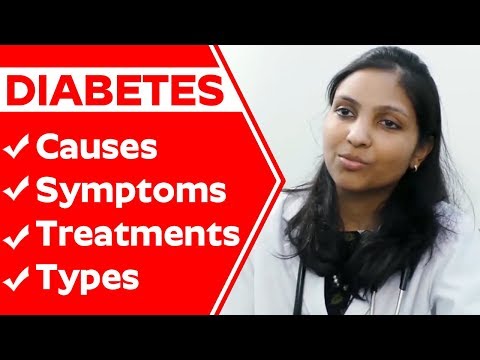


Không có nhận xét nào:
Đăng nhận xét